
How Asphalt Sealing Protects Your Driveway From Damage
Local contractors specializing in asphalt sealing can help protect your driveway from damage by creating a durable barrier against moisture, UV rays, and wear.
If you’re a property owner in the area looking to keep your driveway in top condition, understanding how asphalt sealing protects your driveway from damage is essential. Over time, exposure to weather, UV rays, and regular wear can cause asphalt surfaces to crack, fade, and deteriorate. Applying a quality sealant creates a protective barrier that helps prevent moisture infiltration, reduces surface cracking, and maintains the driveway’s appearance. Exploring this topic can reveal practical ways to extend the lifespan of your driveway and avoid costly repairs down the road, making it a valuable consideration for maintaining your property's curb appeal and functionality.
Local contractors who specialize in asphalt sealing offer the expertise needed to ensure your driveway remains durable and visually appealing. These service providers understand the specific needs of driveways in the area and can recommend the most effective sealing solutions. By investing in professional asphalt sealing, property owners can better defend their driveways against common sources of damage, helping to preserve their investment and keep outdoor spaces looking their best. Keep reading to discover more about how asphalt sealing can serve as a smart, protective measure for your driveway’s long-term health.
- Asphalt driveway sealing services are often needed after noticing surface cracks or minor damage, and local contractors use sealing to prevent further deterioration. When a driveway shows signs of wear from weather or heavy use, local pros apply sealing to shield the surface from moisture and UV damage. For properties with aging or porous asphalt, service providers recommend sealing to reinforce the driveway’s resistance to cracking and surface erosion. If oil spills or stains appear, local contractors can seal the surface to protect against staining and preserve the driveway’s integrity. Regular sealing is advised for maintaining long-term durability and preventing damage caused by environmental factors.
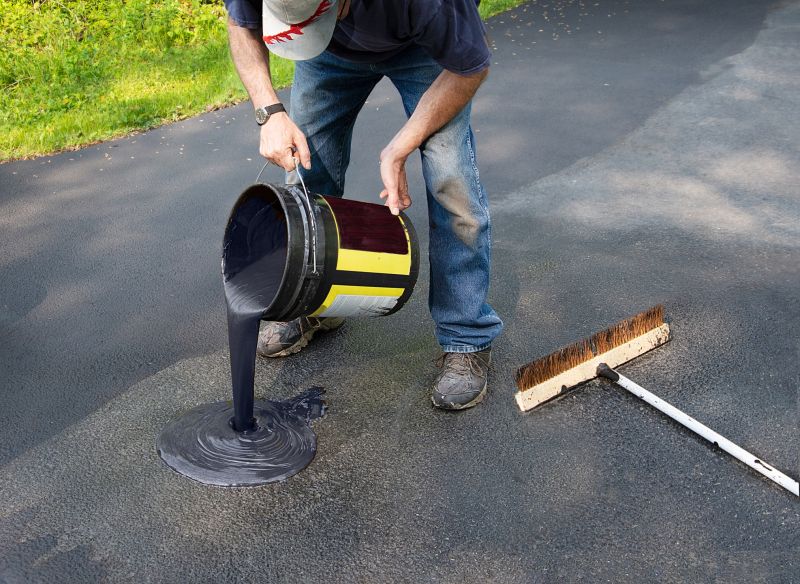
When homeowners search for information about how asphalt sealing protects their driveway from damage, they are often looking to understand how this maintenance step can extend the lifespan of their paved surfaces. Typically, this topic relates to concerns about cracks, surface deterioration, and the need to prevent costly repairs or replacements. Many property owners are planning for long-term maintenance or trying to preserve the curb appeal of their homes, especially in areas with harsh weather conditions that can accelerate asphalt deterioration. By exploring this subject, they aim to learn how sealing their driveway can serve as a proactive measure to shield it from the elements and everyday wear and tear.
This topic is especially relevant for properties that experience frequent exposure to moisture, temperature fluctuations, and UV rays, all of which can cause asphalt to weaken over time. Problems such as cracking, potholes, and surface fading are common issues that driveway owners seek to prevent through sealing. These concerns often lead to plans for regular maintenance and protection strategies to avoid more extensive repairs down the line. Homeowners with driveways that see high traffic or are located in regions with severe weather may be particularly interested in how asphalt sealing can help mitigate these risks and keep their driveways in better condition longer.
Properties that typically come up in discussions about asphalt sealing include residential homes, multi-family complexes, and commercial properties with parking lots or access roads. Residential driveways are the most common focus, especially in neighborhoods where curb appeal and property value are priorities. Commercial properties, such as retail centers or office parks, also benefit from sealing to maintain a professional appearance and prevent damage caused by heavy vehicle traffic. Regardless of the property type, the goal is to protect the asphalt surface from damage caused by water infiltration, UV rays, and physical stress, making it a vital part of routine maintenance for many property owners.
Local service providers who specialize in asphalt sealing are well-equipped to help property owners implement this protective measure. These contractors understand the specific conditions that can lead to asphalt damage and can recommend the appropriate sealing products and application techniques. Engaging experienced pros ensures that the sealing process is done correctly, providing an effective barrier against moisture, UV damage, and surface wear. Property owners can benefit from comparing local contractors to find the right fit for their needs, ensuring their driveway receives the proper protection to withstand the challenges of weather and daily use.
Paving maintenance projects involve similar planning and surface preparation skills as asphalt sealing, ensuring long-term protection for paved surfaces.
Driveway repair and patching require understanding of asphalt materials and surface assessment, which complements the sealing process to prevent future damage.
Surface cleaning and preparation are essential steps before sealing, and local contractors skilled in cleaning techniques help ensure proper adhesion and protection.
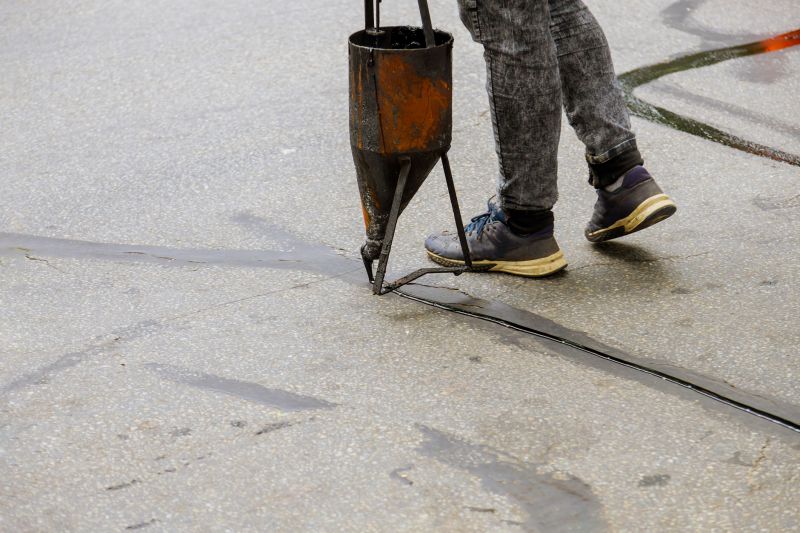
Crack filling services involve identifying and sealing small surface damages, a process that enhances the effectiveness of asphalt sealing in preventing larger issues.
Sealcoating for parking lots shares similar techniques and materials, providing insights into how sealing protects larger asphalt surfaces from wear and deterioration.
Asphalt resurfacing projects require surface assessment and planning skills akin to sealing, helping to extend the lifespan of existing asphalt infrastructure.
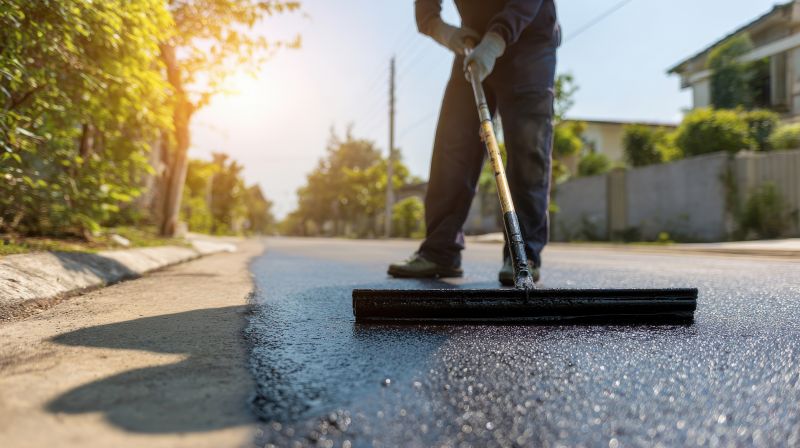
When comparing asphalt sealing service providers, it is important to consider their experience with similar driveway projects. Homeowners should inquire about the types of asphalt sealing jobs they have completed and whether they have worked on properties comparable to their own. An experienced contractor will have a better understanding of how asphalt sealing can effectively protect a driveway from damage, such as cracking or deterioration caused by exposure to the elements. This familiarity can translate into a more thorough and durable sealing job, helping to extend the lifespan of the driveway.
Clear written expectations are essential when evaluating potential service providers. Homeowners should seek detailed information about what the asphalt sealing process involves, including surface preparation, the type of sealer used, and the estimated coverage area. A reputable contractor will be transparent about what customers can expect during and after the service, ensuring there are no surprises or misunderstandings. Well-defined expectations also help homeowners assess whether the provider’s approach aligns with their needs for protecting their driveway from future damage.
Reputable references and good communication are key indicators of a reliable asphalt sealing contractor. Homeowners can ask for references or reviews from previous clients to gauge the quality of the work and the level of professionalism. Additionally, effective communication throughout the process-such as responsiveness to questions and clarity about scheduling and procedures-can make the experience smoother and more predictable. Choosing a service provider with strong references and open communication can help ensure that the project will be handled competently, ultimately contributing to the effective protection of the driveway from damage.
Property owners often search for how asphalt sealing protects your driveway from damage when they are planning practical projects around their homes and businesses. Local pros provide Asphalt Sealing services for everyday jobs and straightforward project options.
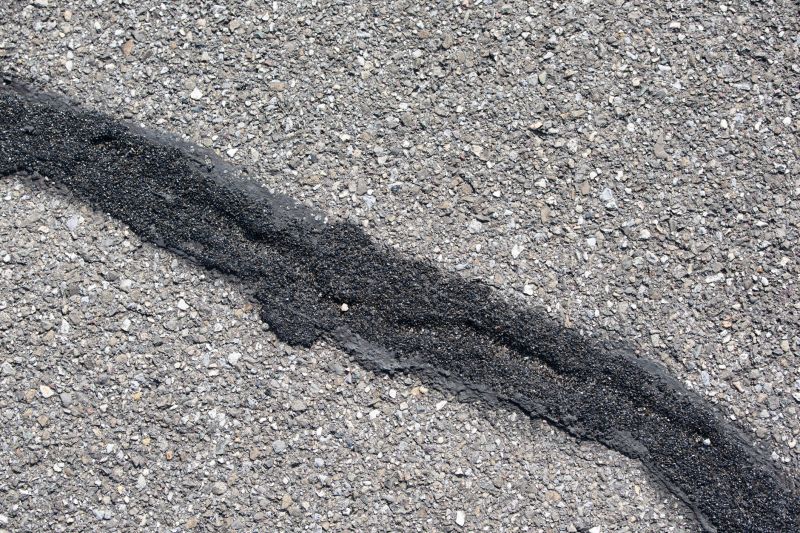
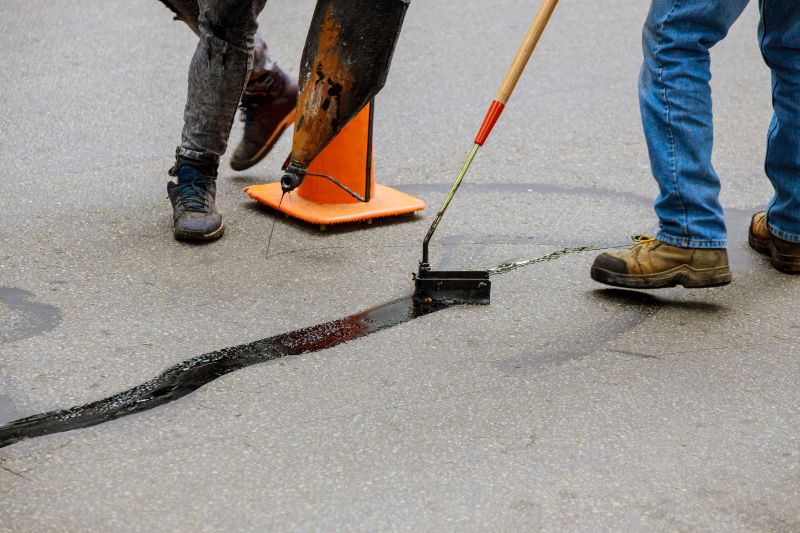
Regular asphalt sealing is a practical way for property owners to safeguard their driveways against common types of damage. Everyday situations such as exposure to harsh weather, frequent vehicle traffic, and spills of oil or other chemicals can weaken the surface over time. Local contractors who specialize in asphalt sealing can apply protective coatings that help prevent cracks, potholes, and surface deterioration, ultimately extending the lifespan of the driveway and maintaining its appearance.
Many property owners seek asphalt sealing services to preserve the integrity of their driveways and avoid costly repairs in the future. Local service providers understand the specific needs of driveways in the area, offering solutions that shield the asphalt from damage caused by moisture penetration, UV rays, and general wear and tear. Connecting with experienced contractors can ensure that the sealing process is done correctly, providing a durable barrier that helps keep driveways looking and functioning their best for years to come.
How does asphalt sealing help prevent damage to driveways? Asphalt sealing creates a protective barrier that shields the driveway surface from water, UV rays, and chemicals, reducing the risk of cracks and deterioration. Local contractors apply sealants that help maintain the driveway’s integrity and appearance over time.
Can asphalt sealing help with cracks and surface wear? Yes, asphalt sealing can fill minor cracks and prevent them from expanding, which helps in maintaining a smooth surface and delaying the need for repairs. Service providers can assess and address existing damage during sealing to enhance protection.
Why is sealing important for protecting against weather-related damage? Sealing helps prevent moisture from seeping into the asphalt, which can cause freeze-thaw damage and erosion. Local pros use quality sealants to help extend the lifespan of driveways exposed to varying weather conditions.
Does asphalt sealing reduce the impact of chemicals and stains? Yes, sealing creates a barrier that minimizes the penetration of oils, gasoline, and other chemicals, making it easier to clean and helping to prevent staining and surface degradation. Many service providers recommend sealing for long-term protection.
How often should a driveway be sealed to maintain protection? While frequency can vary, many local contractors suggest sealing every 2 to 3 years to ensure ongoing protection against damage and to preserve the driveway’s appearance and durability.
Assessing driveway condition - property owners can evaluate cracks or surface wear to determine if asphalt sealing services are needed to prevent further damage.
Scheduling regular sealing - planning periodic sealing projects with local contractors helps maintain a protective barrier against water and UV damage.
Choosing appropriate sealing products - property owners can work with local pros to select the right sealer that offers effective protection for their specific driveway type.
Implementing preventative maintenance - applying asphalt sealing before winter or heavy weather seasons can help safeguard the driveway from freeze-thaw cycles and weather-related harm.
If you are thinking about how asphalt sealing protects your driveway from damage for a property, this guide is meant to help you understand this topic, the typical project types, and how different options might fit your plans.
When you are ready, you can use the quote form on this page to share a few details about your project. From there, local pros can review the basics and follow up with options that match what you have in mind.